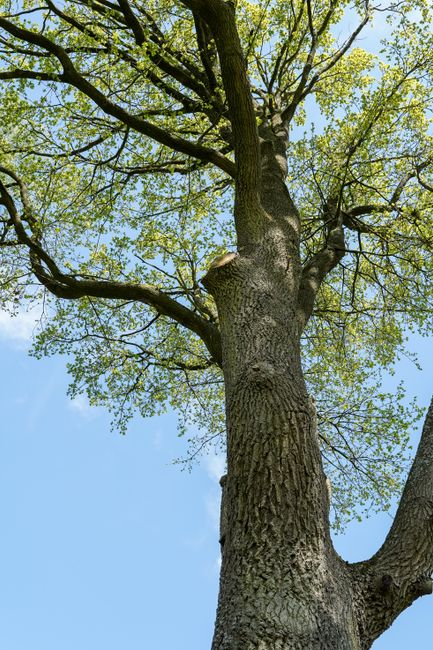
Tree work permits Barnet Council tips for East Barnet gardeners
If you garden in East Barnet, tree work can look simple from the path and turn complicated the moment planning rules, preservation orders, or neighbour concerns enter the picture. That's why understanding Tree work permits Barnet Council tips for East Barnet gardeners matters before you lift a saw, book a contractor, or even prune what seems like "just a few branches". A quick check now can save a lot of grief later. And yes, the paperwork side is a bit dull, but it is still better than an unexpected enforcement letter sitting on the mat.
This guide breaks the topic down in plain English: what permission usually means, how to approach a tree enquiry sensibly, where gardeners often go wrong, and how to plan the work so the garden still looks good afterwards. You'll also find a practical checklist, a comparison table, and a realistic example from a typical East Barnet garden. If you want a broader seasonal maintenance context too, you may find our notes on garden maintenance useful alongside tree decisions.
Why Tree work permits Barnet Council tips for East Barnet gardeners Matters
Tree work is one of those garden jobs that can look routine right up until it isn't. In East Barnet, trees may sit in front gardens, rear gardens, shared boundary strips, or older plots where mature planting has been part of the landscape for decades. Some of those trees may be protected, some may be within a conservation area, and some may simply be large enough that the risk of getting the job wrong outweighs the benefit of doing it quickly.
For gardeners, the real issue is not just whether a tree can be cut back. It is whether the work is appropriate, documented, and safe. That includes checking if the tree is covered by a preservation order, whether the site has restrictions, whether the work could affect wildlife, and whether the finished shape will still support a healthy canopy. A tidy but stressed tree can cause you more trouble next year than a slightly overgrown one today.
There's also the neighbour side of it, which people forget. A branch overhang dispute, a dropped limb, or a tree that suddenly looks butchered can sour a good relationship very quickly. To be fair, most garden disagreements start with something small and become painfully dramatic. A careful permit check is a calm way of keeping the peace.
From a practical point of view, understanding the local process helps you plan better. You'll know whether to schedule hedge and tree jobs together, whether a larger pruning plan should wait, and whether to bring in a specialist. If your garden design depends on screening, shade, or shape, it is especially worth pairing tree decisions with thoughtful planting. For example, if you are trying to create layered privacy after reducing a canopy, our article on fast-growing privacy hedges can help you think ahead rather than scrambling afterwards.
How Tree work permits Barnet Council tips for East Barnet gardeners Works
In simple terms, the process usually starts with figuring out whether the tree is protected or subject to local controls. That can include a tree preservation order, commonly called a TPO, or the location being inside a conservation area. Those are not the same thing, and that distinction matters. A TPO is a direct protection on a specific tree or group of trees. A conservation area can create a wider duty to notify before certain works are carried out.
If you are unsure, the safest first step is not to assume. It's to check the status before arranging the saws. Many garden jobs are delayed because someone says, "It'll be fine, it's in our garden," which is charmingly optimistic and sometimes expensive. A proper check is quicker than dealing with the fallout.
After that, the process usually becomes a matter of description and timing. You should be able to explain:
- which tree or trees are involved;
- what work you want done, such as crown thinning, deadwood removal, lifting, or reduction;
- why the work is needed, for example safety, light, access, or disease;
- when you want the work completed;
- whether the tree is likely to affect a boundary, pavement, building, or utility area.
That description is useful even when permission is not formally needed, because it forces a more honest decision. Is the work truly necessary, or just convenient? Is a light reduction enough, or are you asking for a heavy cut that may do long-term harm? Those questions matter more than people think.
A sensible garden professional will also consider the tree's condition before recommending anything. A healthy oak, for instance, may tolerate selective pruning very differently from a stressed ornamental cherry or a mature conifer. Tree work should not be treated like hedge trimming. It isn't the same beast at all. If your wider garden routine involves regular cutting and shaping, our local hedge trimming East Barnet page may also be helpful for separating hedge care from tree care.
Key Benefits and Practical Advantages
Getting the permit side right may not feel glamorous, but the benefits are real. First, it reduces the risk of carrying out unauthorised work. That alone can save time, money, and stress. Second, it pushes you to choose the right method, not just the fastest one. A tree that is lightly reshaped at the right season can look better for years. A tree that is cut in panic can look rough for months and recover badly.
There's also a design benefit. Tree work is often part of a wider garden refresh, especially when the space feels dark, cramped, or untidy. By pruning carefully rather than over-cutting, you can restore sunlight to borders, improve lawn growth, and bring back balance to the garden. This matters in East Barnet plots where mature planting can cast deep shade over seating areas, paths, and smaller beds. If shade is becoming a feature rather than a problem, it may be worth looking at evergreen climbers for shade as a softer way to work with the garden after tree adjustments.
Another benefit is safety. Deadwood, unstable limbs, or poorly placed branches can become a concern during wind, frost, or heavy rain. A managed tree is easier to live with through the seasons, especially in exposed streets or gardens that catch the wind. For local resilience ideas, our piece on protecting your garden from harsh weather elements pairs nicely with sensible tree work planning.
Finally, there is the resale and presentation angle. Even if you are not selling, a garden that is obviously cared for tends to feel calmer and more usable. Tree work done properly is not just about compliance. It is about shaping the whole outdoor space so it works better for real life: the kids, the dog, the Sunday coffee, the lot.
Who This Is For and When It Makes Sense
This topic matters to a surprisingly wide group of people. Homeowners with mature gardens are the obvious audience, but there are plenty of others who should pay attention too. Landlords, for example, often inherit tree issues when a property changes hands and only discover the problem after a tenant complains about light or overhanging limbs. Leaseholders and shared-property owners may also need a more cautious approach, because responsibility can be split in ways that are not obvious at first glance.
You should especially take notice if any of these apply:
- the tree is large, old, or close to a boundary;
- you are in or near a conservation area;
- there is a visible tree preservation order marker or previous council reference;
- branches affect a roof, driveway, wall, or public pavement;
- you are planning substantial pruning rather than light maintenance;
- the garden is already part of a broader redesign.
It also makes sense if you are trying to solve a practical garden problem, not just a tree one. A dense canopy can make moss, wet patios, and thin lawn patches worse. It can also crowd out beds and make the space feel gloomy on grey afternoons, which, let's face it, is most afternoons in a British winter. In those cases, the tree work conversation is really a garden-function conversation.
If you are already reviewing how the whole garden functions, it may help to compare tree decisions with other services such as landscaping, lawn care, or even tree surgery where specialist intervention is needed rather than light pruning.
Step-by-Step Guidance
Here is the practical sequence we would recommend for East Barnet gardeners. It is simple, but it works better than rushing straight to the tools.
- Identify the tree and its condition. Look at species, size, visible damage, deadwood, leaning, and how close it is to buildings or services. Photos help. Take them before you do anything else.
- Check whether it is protected. Ask the question early: is there a preservation order, conservation area status, or another restriction that might apply?
- Decide what outcome you actually want. "Less messy" is not a plan. "Reduce weight over the path and bring in light to the herb bed" is a plan.
- Separate essential work from optional work. Deadwood removal and safety-related trimming may be the priority. Cosmetic shaping can often wait until the right moment.
- Get a specialist opinion if the tree is mature or awkwardly placed. Mature trees can react badly to over-pruning. A little restraint goes a long way.
- Time the work sensibly. Seasonal timing matters for tree health, wildlife disturbance, and how visible the cuts will be once growth resumes.
- Keep records. Save photos, notes, permission details, and any work plan. If questions come up later, that paper trail is gold.
- Plan the follow-up. Aftercare, watering, mulching, and monitoring matter. Tree work is not finished when the cut ends.
A small but useful clarification: if you are only removing a few dead twigs from a small, non-protected tree, the process is often very different from reducing a mature tree with public visibility. The difference between "minor maintenance" and "substantial tree work" is where many people trip up. Keep that distinction in mind and you'll avoid most of the headaches.
Expert Tips for Better Results
The best tip, honestly, is to be patient. Good tree work is rarely the quickest version of the job. It is the version that leaves the tree stable, attractive, and easier to manage over time. A rushed cut can look neat for a week and unpleasant for a year.
Here are the habits that make a real difference:
- Work from the garden's purpose, not just the tree's shape. If the aim is light, privacy, or access, say so from the start.
- Keep pruning modest where possible. Heavy reduction can create weak regrowth and a scruffy outline. Less is often more.
- Use the rest of the garden to compensate. If a canopy opens the space, add ground layer interest. Our guide to ground covers for UK gardens is useful if you are trying to protect soil and soften bare patches after tree work.
- Think about moisture and root pressure. Tree work changes light and water patterns, so nearby beds may need adjustment.
- Leave wildlife checks out of guesswork. If a tree has nesting activity, take a cautious pause rather than assuming it is fine to continue.
- Choose clean access routes. Protect borders, lawn edges, and paving. A tidy job on the tree can still wreck the garden if access is sloppy.
One practical tip people often appreciate: if the area beneath the tree is already a low-light zone, use the post-prune opportunity to improve the planting scheme rather than leaving a half-empty patch. That might mean ferns, shade-tolerant perennials, climbers, or even structured seating in the right place. If you are thinking that far ahead, the idea of better garden seating solutions can fit surprisingly well into the redesign conversation.
And yes, one more small thing: keep the whole process boringly organised. Folder, photos, notes, dates. A bit dull, sure. Very useful, absolutely.
Common Mistakes to Avoid
The biggest mistake is assuming that a tree in your garden is automatically free to work on however you like. That assumption catches people out all the time. Another common slip is describing the job too vaguely. "Cut it back a bit" is not enough if you later need to justify what was done or why.
Other mistakes crop up because homeowners are trying to save time or money:
- Starting work before checking restrictions. This is the classic one, and it can be the most costly.
- Over-pruning to chase instant light. A severe cut may solve the short-term shade issue but create long-term weakness.
- Ignoring the tree's role in the garden design. Removing too much can leave borders exposed and the space oddly flat.
- Not accounting for roots, not just branches. Tree influence on nearby paving, drains, and beds is easy to overlook.
- Failing to think about neighbours. Overhanging branches, dropped debris, and boundary lines can all become awkward.
There is also a subtle mistake: people sometimes treat tree work as a one-off job when it is really part of a longer garden cycle. That can lead to patchy planning. A good trim may expose an ugly fence, a tired lawn, or a bare corner. In that case, it is smart to review the whole space. Our pages on fencing and lawn mowing East Barnet can help if the finished garden needs a bit of reshaping around the new light levels.
Tools, Resources and Recommendations
You do not need a shed full of specialist kit to start making sensible decisions, but a few practical tools help. At minimum, have a camera or phone for photos, a notebook for dates and observations, and a tape measure if branches are close to walls or structures. A simple sketch of the garden can be surprisingly useful too. Old-school, yes. Effective, also yes.
If you are assessing the work yourself before bringing in help, a pair of binoculars can help you spot deadwood or canopy imbalances from the ground. For broader garden prep, a reliable set of hand tools, loppers, and protective gloves is helpful. Our article on indispensable tools for passionate gardeners is a handy companion if you want to keep your kit sensible rather than excessive.
For garden recovery after tree work, think about mulch, compost, and shade-tolerant planting. If your pruning produces lots of organic waste, don't just bag it up and forget it. The material may be useful elsewhere in the garden if it is suitable and disease-free. That links neatly with our piece on turning organic waste into richer soil.
If you need a broader garden refresh after a tree decision, these related services may be useful to explore carefully:
- general gardening services for routine upkeep;
- garden maintenance for ongoing seasonal care;
- pricing and quotes if you want to plan the budget early;
- insurance and safety if the work is high-risk or close to structures.
Law, Compliance, Standards, or Best Practice
When tree work touches council permissions, the safest approach is to treat it as a compliance issue first and a gardening issue second. That does not mean every branch needs formal paperwork. It means you should know where the boundary sits between everyday maintenance and protected work. If the tree is covered by a preservation order or located in a conservation area, there may be extra steps before work can begin. If you are not sure, treat uncertainty as a warning sign, not an invitation to guess.
Best practice in the UK also leans toward responsible tree management rather than aggressive cutting. That usually means making cuts that support the tree's structure, avoiding unnecessary stress, and keeping records of what was done. For larger or awkward trees, using a competent specialist is the sensible standard. In practical terms, competence means the person can explain the work clearly, understands tree health, and knows when to stop. Not every job needs a dramatic rescue. Most actually need restraint.
There are also broader duties to think about, even if they are not the headline issue. Waste disposal should be handled properly. Access routes should be safe. Neighbours should not be put at risk by falling debris. If the tree sits near a public edge or driveway, the level of caution should go up, not down. That is simply good practice.
And one more thing: if you are tempted to treat local rules like a nuisance, remember they exist because trees affect more than the person who owns them. Shade, stability, wildlife, drainage, and streetscape all matter. The process can feel slower, but it is usually the price of keeping good trees healthy and gardens pleasant.
Options, Methods, or Comparison Table
Different tree jobs suit different levels of intervention. The table below gives a plain-English comparison that may help you decide what to ask for.
| Method | What it means | Best for | Main caution |
|---|---|---|---|
| Light pruning | Minor selective cuts to tidy growth and remove small problems | Routine upkeep, small corrections, improving shape | Can still need checks if the tree is protected |
| Deadwood removal | Taking out dead, broken, or clearly unsafe material | Safety, garden tidiness, reducing drop risk | Should not be used as an excuse for broad cutting |
| Crown thinning | Reducing density while keeping the overall outline | Light, air movement, wind management | Needs a careful hand or the tree can look patchy |
| Crown reduction | Lowering the height or spread of the canopy | Clearance from buildings, better balance, space management | Overdoing it can stress the tree and invite poor regrowth |
| Removal | Taking the tree out entirely | Severe disease, structural danger, major redesign | Usually the most sensitive option and most likely to need review |
If your garden problem is really about privacy rather than safety, think carefully before choosing reduction or removal. Sometimes a carefully managed tree plus a supportive planting layer works better than a dramatic cut. In that case, you might also look at smart landscaping for wind control or the more sheltered planting ideas in weather protection.
Case Study or Real-World Example
Here's a very typical East Barnet scenario. A homeowner has a mature tree near the back boundary. It throws afternoon shade over the patio, drops a fair amount of dead material, and has a branch reaching over a neighbour's side return. The owner wants the area lighter, cleaner, and a bit easier to live with, but does not want to ruin the tree's shape.
Instead of calling for a big chop, the sensible route is to:
- check whether the tree has any protection;
- inspect for obvious deadwood or weak limbs;
- define the goals: more light on the patio, better clearance, tidy canopy;
- request only the level of work needed to achieve that;
- review the surrounding planting afterwards and add shade-tolerant ground cover where bare patches appear.
That approach usually gives a better long-term result. The tree still contributes height and character, but the garden feels calmer and easier to use. One client-style detail we often see: after the canopy is adjusted, the patio suddenly feels usable again at 4 p.m., which sounds minor until you realise it changes how often the space gets used. That's the sort of small win people notice immediately.
In a case like this, finishing the job with the right planting and maintenance plan matters as much as the cut itself. If the tree work is part of a broader garden reset, our article on starting a garden makeover can help connect the dots without overcomplicating things.
Practical Checklist
Use this quick checklist before you start any tree work in East Barnet:
- Identify the tree species and approximate size.
- Check whether the tree may be protected or within a conservation area.
- Photograph the tree from several angles.
- Write down the exact problem you are trying to solve.
- Separate safety work from cosmetic work.
- Think about neighbour boundaries and overhang.
- Check whether wildlife could be affected.
- Decide whether you need a specialist rather than a general gardener.
- Plan how you will deal with debris and green waste.
- Review the garden afterwards for light, shade, and planting changes.
If you can tick those boxes, you are already ahead of a lot of rushed jobs. And honestly, that calm preparation is half the battle.
Conclusion
Tree work in East Barnet is rarely just tree work. It affects light, privacy, safety, neighbour relations, and the whole feel of the garden. That is why taking a careful approach to Barnet Council permissions and local best practice is so worthwhile. The goal is not to make the process feel heavy; it is to help you avoid unnecessary risk and keep your garden looking intentional rather than hacked about.
If you remember only one thing, make it this: check first, cut later. That simple habit protects both the tree and your peace of mind. From there, you can shape the rest of the garden around the result, whether that means planting, lawn care, or rethinking a shaded corner into something far more usable.
Get a free quote today and see how much you can save.
And if the garden still feels like a work in progress, that is fine. Most good outdoor spaces are built in stages, one sensible decision at a time.
Frequently Asked Questions
Do I need permission for all tree work in East Barnet?
Not always. Some routine maintenance may not need formal permission, but trees can be protected by a preservation order or conservation area rules. It is safest to check before starting anything more than minor work.
What counts as tree work rather than normal garden maintenance?
Tree work usually involves pruning, crown shaping, deadwood removal, reduction, or removal of a woody tree. Hedge cutting and routine border care are different jobs, even if they are sometimes done on the same day.
How do I know if my tree is protected?
You may need to check the tree's status before work begins. If you are unsure, treat that uncertainty as a reason to pause and investigate rather than guessing. Mature trees and prominent street-facing trees are the ones to look at most carefully.
Can I just prune a few branches without checking anything?
If the tree is clearly small and unprotected, light pruning may be straightforward. But if it is mature, visible, or near a boundary, a quick check is still wise. A few minutes of caution can prevent a much bigger headache.
What is the difference between crown thinning and crown reduction?
Crown thinning removes some interior growth to reduce density while keeping the overall shape. Crown reduction lowers the size of the canopy. They are not interchangeable, and choosing the wrong one can change both the look and health of the tree.
What should I do if the tree is blocking light into my garden?
Start by identifying how much shade you actually need to remove. Sometimes selective pruning is enough. In other cases, the better answer is a combined plan that includes pruning plus shade-tolerant planting underneath.
Is it better to do tree work in winter or summer?
That depends on the species, the reason for the work, and the condition of the tree. Timing matters for tree health and wildlife considerations, so it is best to match the season to the job rather than assume one period fits all.
Can tree work damage my lawn or borders?
Yes, if access is not planned carefully. Heavy equipment, falling branches, and repeated foot traffic can mark lawns and crush borders. Good preparation makes a bigger difference than people expect.
Should I hire a specialist for mature trees?
Usually, yes. Mature trees need a more careful approach, especially if they are near buildings or boundaries. A specialist is more likely to know when to stop and how to keep the tree healthy afterwards.
What happens if I do the wrong work without checking?
You may end up with a tree that looks poor, recovers badly, or creates a compliance issue if protection rules applied. Even where no formal issue arises, the tree may need extra care later. Sometimes the cheap option ends up expensive. Annoying, but true.
How can I make the garden look better after tree pruning?
Use the extra light or new shape to improve the planting beneath and around the tree. Ground covers, structure, and better seating can all help the space feel finished. The right follow-up often matters just as much as the cut itself.
Where can I get help with tree work planning in East Barnet?
Start by gathering photos, notes, and a clear idea of what you want to change. Then speak with a trusted local gardening or tree specialist who can help you assess the work properly and decide on the next step.